About Hopper Loader Manufacturer in Coimbatore
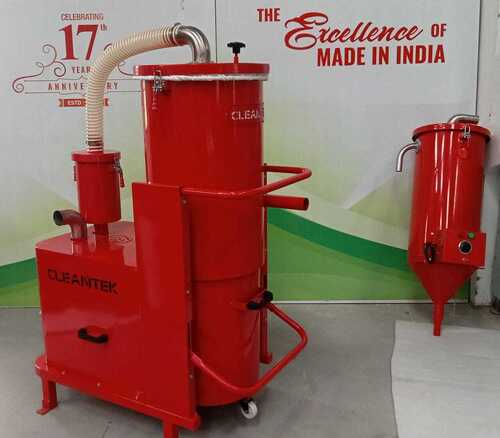
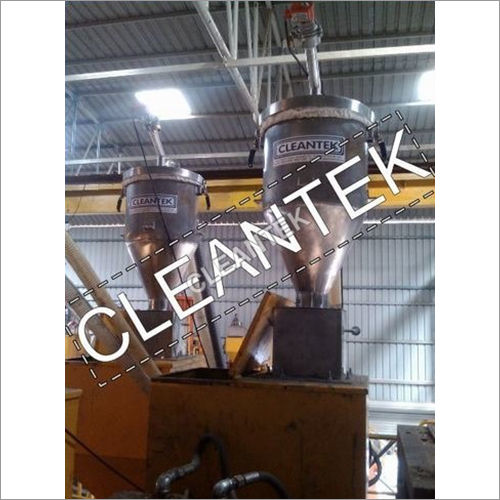
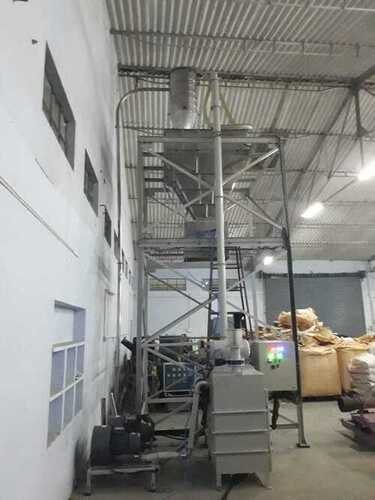
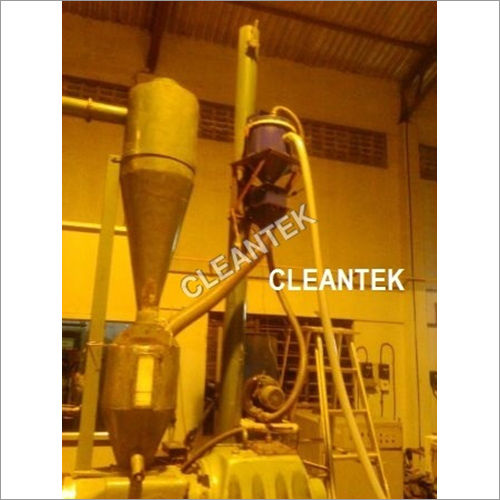
Cleantek manufacturing submerged arc welding flux recovery unit for welding automation applications.Welding flux consist of lime, silica, manganese oxide, calcium fluoride, and other compounds. Recycling process ( Recover and reuse) of this welding flux is most important in welding automation. Flux is mixing of granular kind of insulative material and it is filled over the weld which is protects against heavy sparks and spatter.This welding flux is increase the quality of weld.Also this flux act as a barrier that holds the high heat in and concentrates the heat into the weld area to keep deep penetration. Also a layer of granular flux provides a protective cover which the welding occurs.This welding flux recovery unit consists of maintenance free high vacuum pump ,filtration system, Hopper unit, Withstanding High temperature rubber hose and Heater unit. Cleantek design and supply single header and multi header flux recovery unit.Advanced Digital Control PanelControlling the Hopper Loader is effortless with its modern digital control panel and a user-friendly interface. The easily navigable controls allow operators to set parameters for speed, temperature-operating optimally between 0C and 60C-and monitor processes in real-time, ensuring reliability and accuracy during material handling operations.
Complete Safety and Robust StructureEquipped with multiple safety features including overload protection and an emergency stop, the Hopper Loader provides a secure working environment. The sturdy welded frame, corrosion-resistant construction, and polished surface finish offer long-lasting durability, making it suitable for demanding industrial environments.
Versatile Application and Mounting OptionsDesigned for flexibility, the loader supports both floor and machine mounting. Optional belt and roller conveyors, vertical conveyor, and integrated pneumatic conveyor expand its usability for a wide range of material conveying applications, particularly in plastic processing and injection molding.
FAQ's of Hopper Loader Manufacturer in Coimbatore:
Q: How does the Hopper Loader ensure safe operation during material handling?
A: The Hopper Loader is equipped with advanced safety features such as overload protection and an emergency stop function, providing immediate response to unexpected conditions and protecting both materials and operators during operation.
Q: What are the main benefits of using a fully automatic Hopper Loader in the plastic industry?
A: With fully automatic functionality, adjustable speed, and high efficiency, the Hopper Loader speeds up material transfer, minimizes manual intervention, improves process precision, and allows for easy maintenance thanks to its self-cleaning filter and compact design.
Q: Where can the Hopper Loader be installed within a manufacturing facility?
A: This loader offers versatile mounting options, allowing installation either directly on the floor or machine platform. Both configurations support integration with vertical, belt, or roller conveyors, ensuring compatibility with a wide range of production lines.
Q: What process is followed for conveying materials with this Hopper Loader?
A: Materials are loaded into the hopper, then automatically conveyed through integrated pneumatic conveyors, which operate at 0.5-0.7 MPa air pressure. The loader discharges materials up to a height of 3 meters, facilitated by adjustable speed controls and reliable automation.
Q: How does the loader minimize noise and resist corrosion in industrial environments?
A: Engineered for quiet operation, the Hopper Loader maintains noise levels below 70 dB, creating a comfortable workspace. Its stainless steel or mild steel body with a polished finish ensures excellent corrosion resistance, making it suitable for continuous use in demanding conditions.
Q: What materials and belt types are compatible with the Hopper Loader system?
A: The loader supports both PU and rubber belt types, which can be selected based on the conveyed material. Structures are made from robust stainless steel or mild steel, with thicknesses ranging from 2 to 5 mm for optimal strength and durability.



 English
 Spanish
 French
 German
 Italian
 Chinese (Simplified)
 Japanese
 Korean
 Arabic
 Portuguese







 Send Inquiry


 Send Inquiry


 Send Inquiry
 Send SMS