About Cyclone Separator
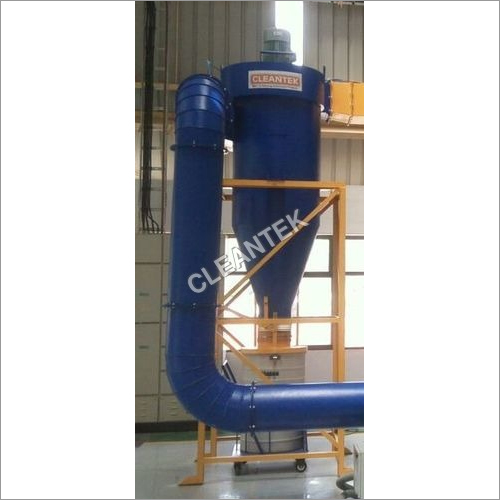
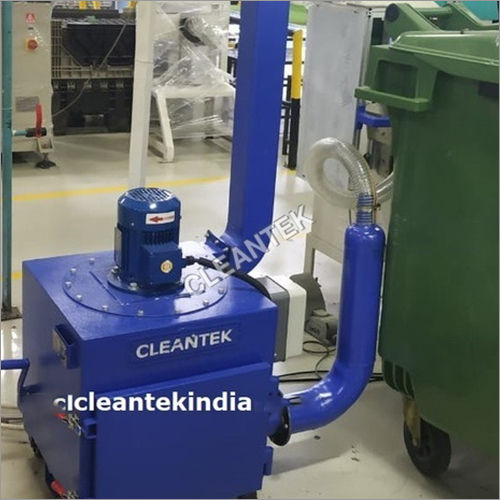
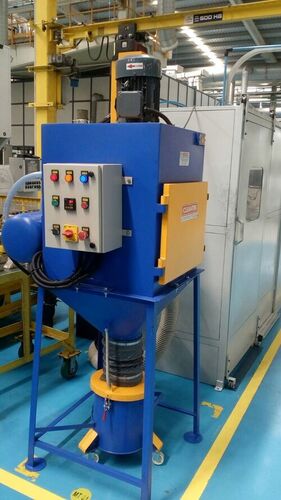
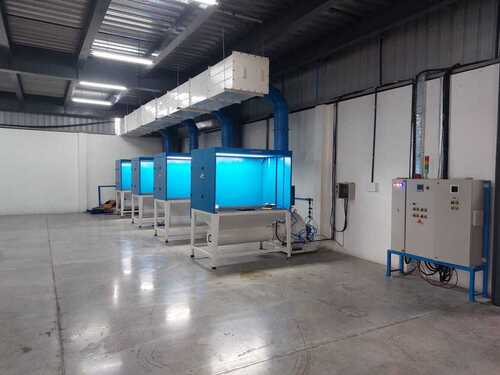
The Cyclone Separator is a high-quality separation device, which makes use of principle of inertia. It can efficiently remove particulate matters from flue gases and is popular as the high-quality air pollution control device. It is useful to take away larger portion of particulate matters and is proffered with a special working process, known as multi-cyclone. Cyclone Separator ensures the removal of high amount of particulate matters. Not pricey to maintain or install due to non-possession of non moving parts, the devices make operating costs extremely low. The removed particulates are collected in the dry form that making the task of disposal extremely easy.
Key Points of Cyclone Separator:
1) Take up extremely little space.
2) Optimal separation of liquids & solids from the stream of gas
3) Removal of entrained particles is ensured
4) Installation can be done as both single as well as multiples units.
Enhanced Dust Collection EfficiencyOur cyclone separators ensure a high collection efficiency of 94%98% for particles larger than 10 microns, thanks to the proven centrifugal separation method. Whether your application involves single or multi-cyclone setups, you can expect effective dust removal while maintaining superior air quality and safeguarding your workspace.
Flexible and Customizable DesignFrom adjustable air flow to customizable inlet/outlet diameters (150500 mm) and overall dimensions, our separators adapt seamlessly to your operational requirements. Choose between vertical orientation, free-standing installation, and a range of semi-automatic to automatic controls for ease of integration into your system.
Built for Durability and Ease of MaintenanceConstructed using premium mild steel and finished with industrial-grade powder coating, the cyclone separator offers resilience against wear and corrosion. Designed for low maintenance and reliable operation, the system is straightforward to clean and service, supporting continuous industrial processes.
FAQs of Cyclone Separator:
Q: How does a cyclone separator achieve dust collection?
A: A cyclone separator operates on the principle of centrifugal separation, where contaminated air enters the separator and is spun rapidly. Heavier dust particles are forced towards the walls by centrifugal force and fall down for mechanical discharge, while clean air exits through the outlet.
Q: What is the recommended process for installing this cyclone separator?
A: The cyclone separator is designed for free-standing installation. Ensure the models custom dimensions and connection diameters (150500 mm) match your ductwork. Installation should be done on a stable surface, with attention to secure electrical connections (220240 V) as per supplied guidelines.
Q: When should maintenance be performed on the separator?
A: Routine inspection is advisable, but due to its low-maintenance design, periodic checks for dust accumulation and mechanical discharge components are typically sufficient. Timing may vary depending on dust load and operation frequency, but quarterly checks are a good standard.
Q: Where can the cyclone separator be used most effectively?
A: This separator is well-suited for industrial facilities requiring air pollution control, dust collection, or process ventilation. Common sectors include cement, steel, woodworking, and power plants, especially where dry scrubbers and continuous operation are required.
Q: What are the main usage and benefits of this system?
A: The cyclone separator efficiently removes particulate matter from the air, improving air quality and equipment longevity. Its robust, powder-coated MS construction ensures durability, while continuous operation and low noise contribute to better workplace conditions and increased productivity.
Q: How customizable is the cyclone separator for specific industrial needs?
A: Options include single or multi-cyclone configurations, adjustable air flow, various automation levels, custom dimensions, and color choices (industrial grey or blue). Each separator can be tailored to capacity, space, and operational preferences as per client requirements.



 English
 Spanish
 French
 German
 Italian
 Chinese (Simplified)
 Japanese
 Korean
 Arabic
 Portuguese






 Send Inquiry


 Send Inquiry


 Send Inquiry
 Send SMS
 Call Me Free